

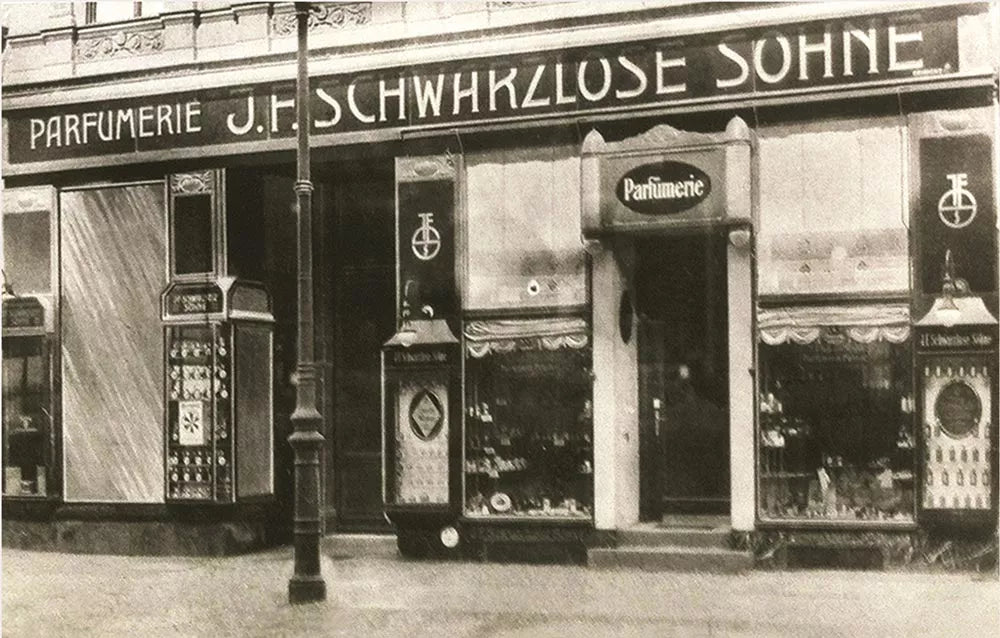

J.F. Schwarzlose and Descendants
Tradition and Quality Since 1856
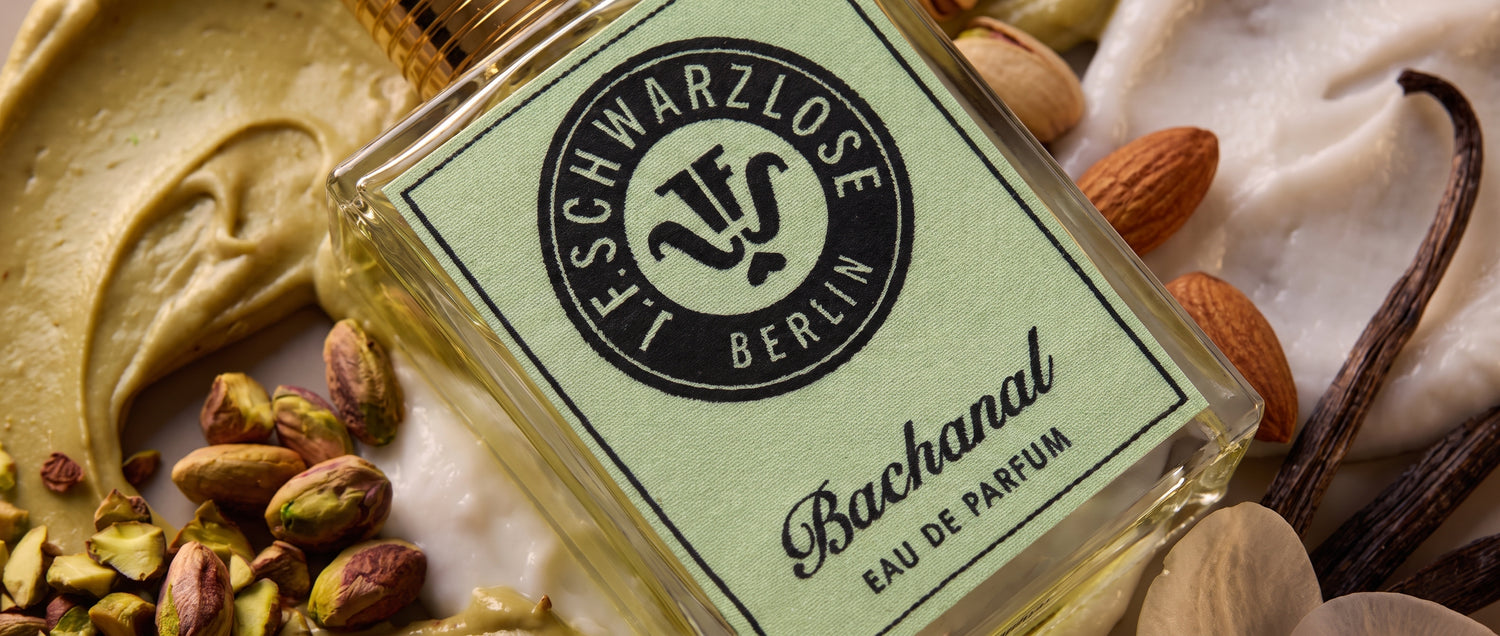
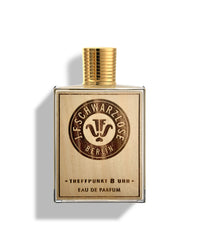
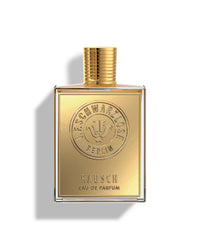
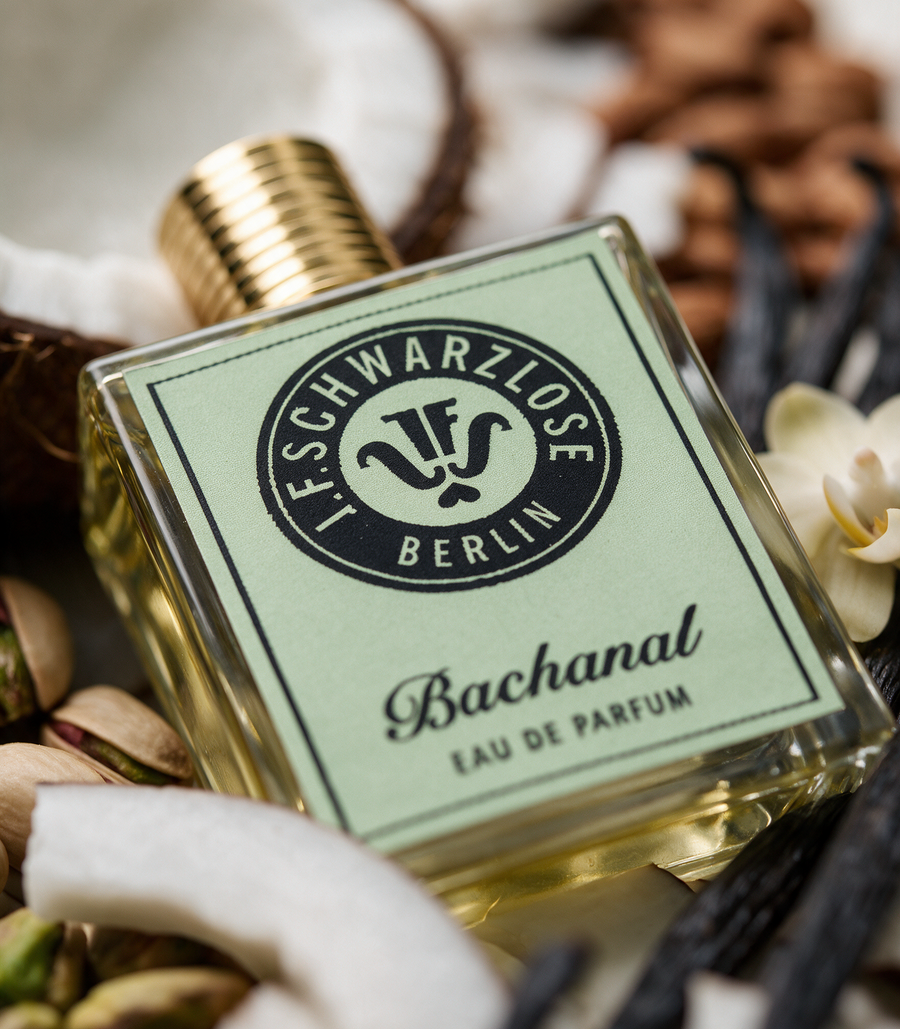
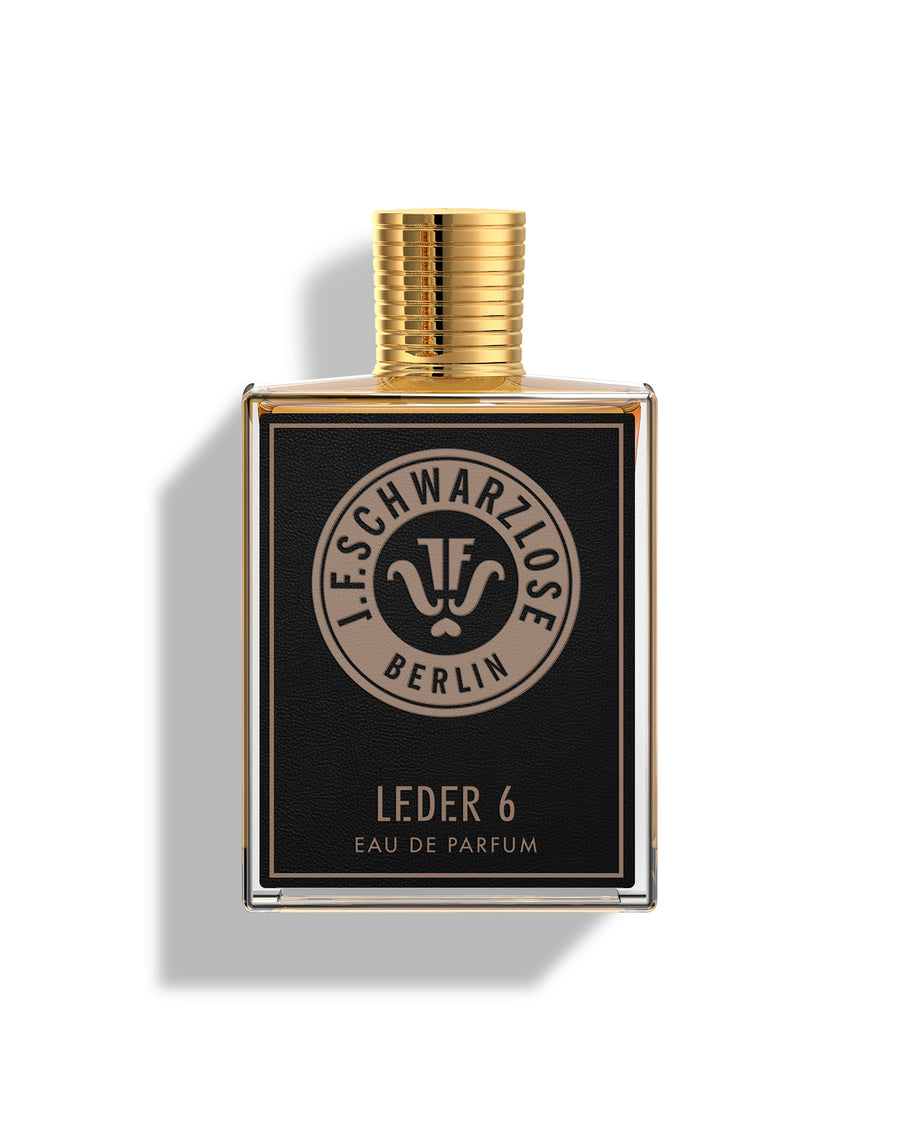
The new J.F. Schwarzlose Berlin perfume series features creations that act as a mirror for modern Berlin. Designed for fragrance connoisseurs, aficionados, and individualists, they are confident and self-assured without being loud, cosmopolitan and contemporary, original and authentic, beyond any mainstream attitude.
1856
In 1856, piano maker Joachim Friedrich Schwarzlose founded a drug and colonial goods store to provide a future for his eleven children through this lucrative venture. The company J.F. Schwarzlose Söhne was located near Gendarmenmarkt.
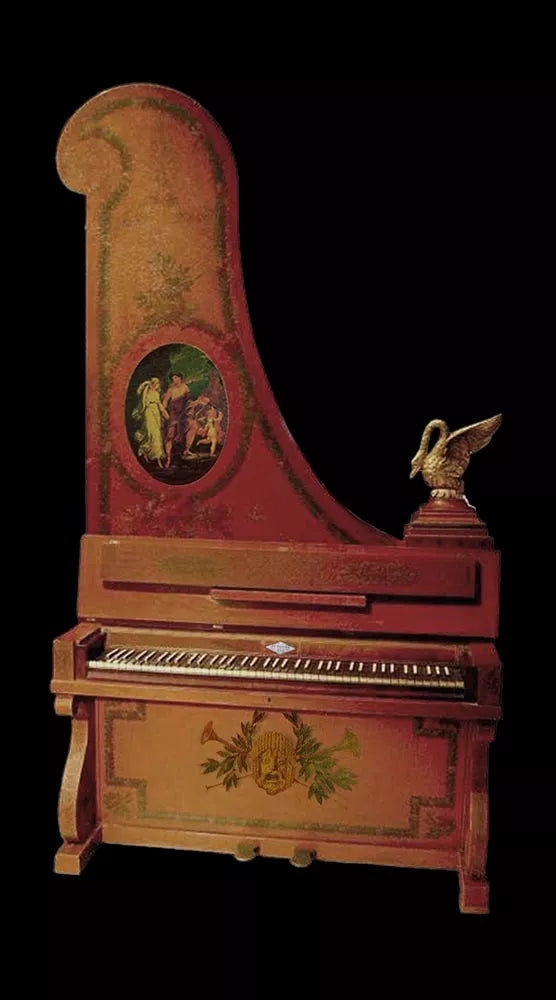
1869
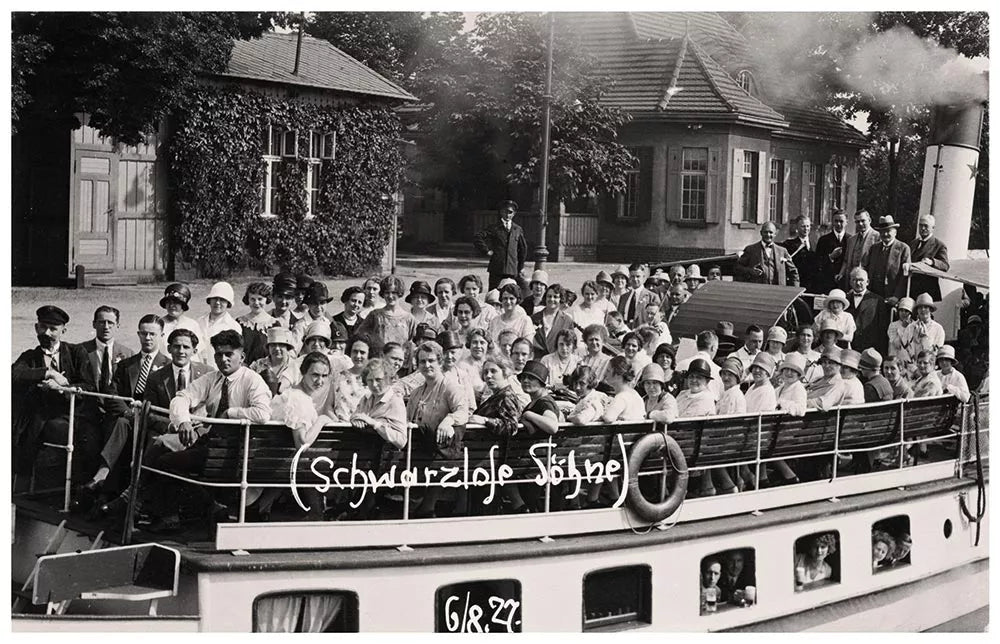
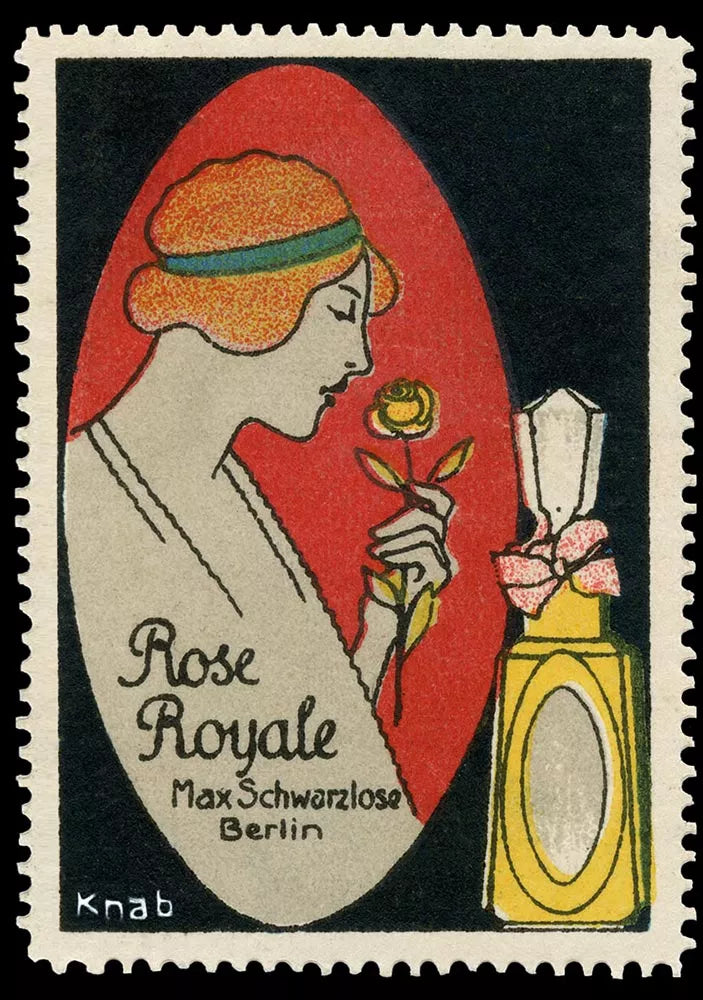
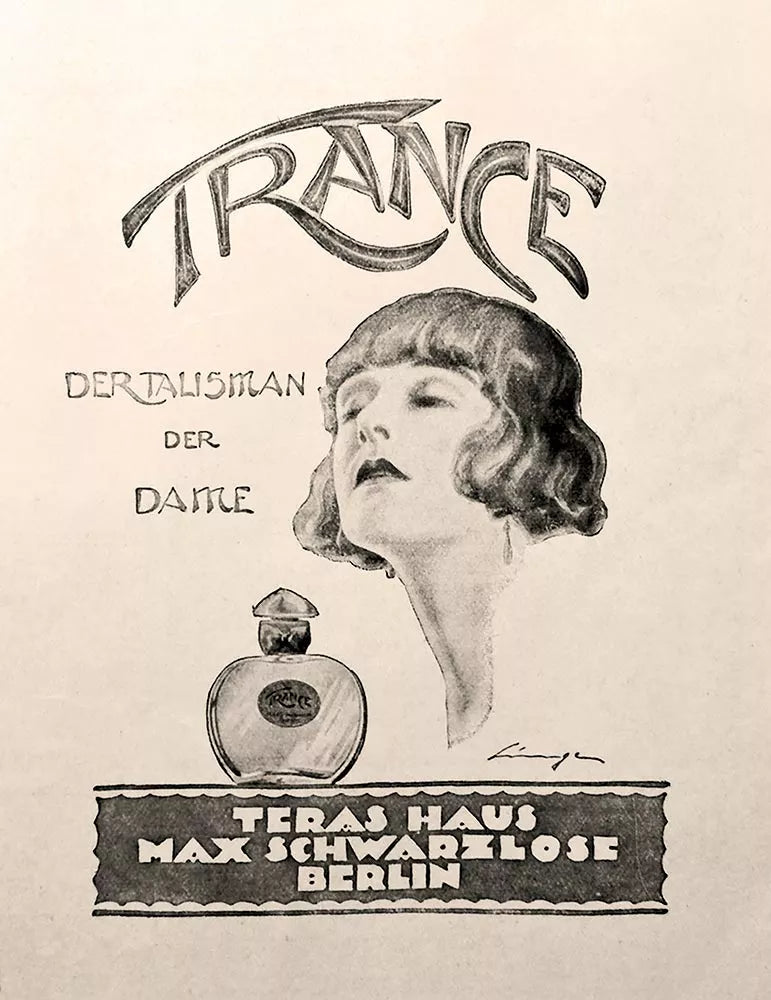
In 1869, the Schwarzlose family acquired the title of Royal Purveyor. The sons Max and Franz built their own brands and left the majority share of J.F. Schwarzlose Söhne to their sister and her husband.
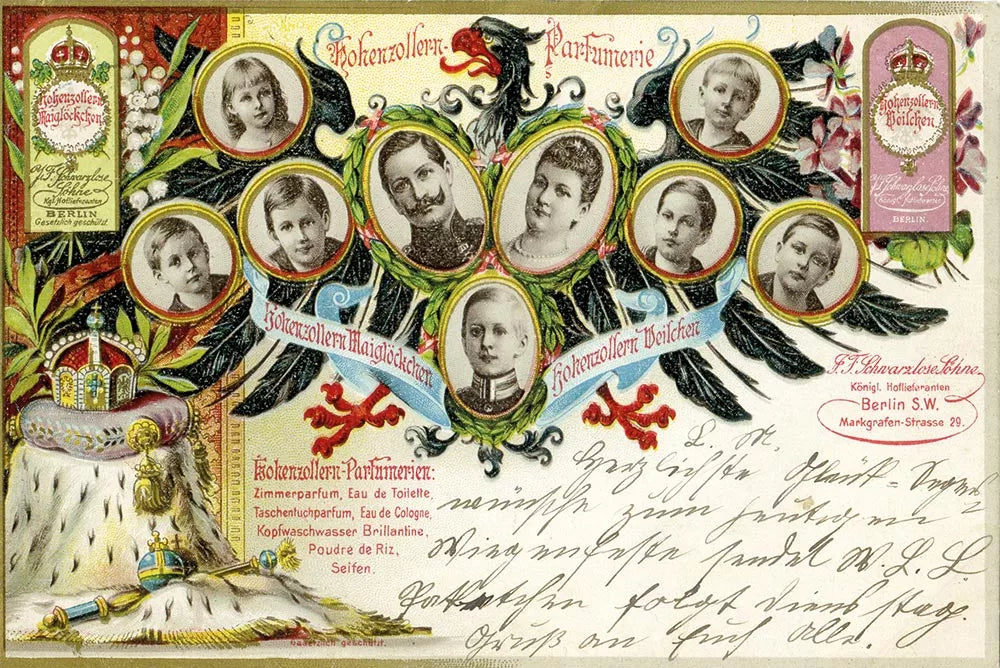
1875
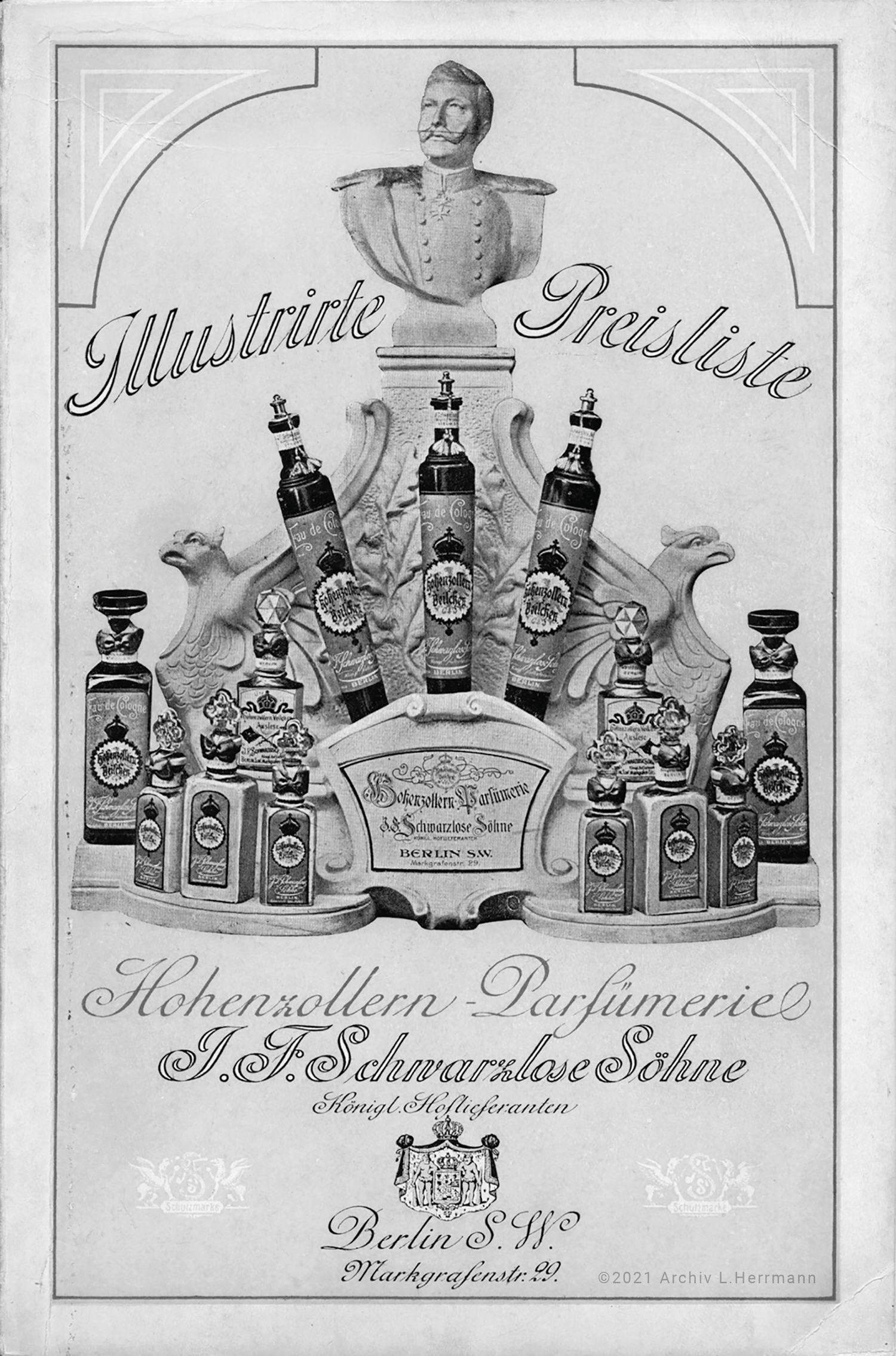
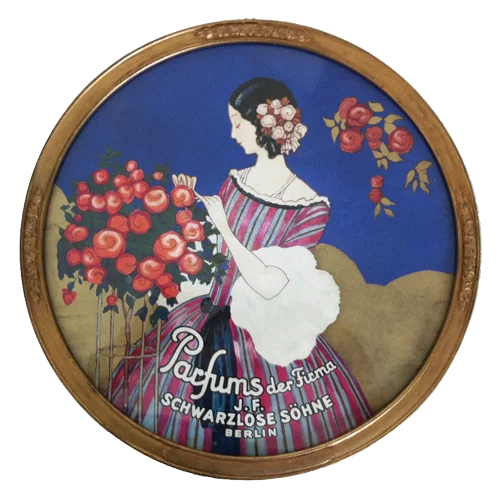
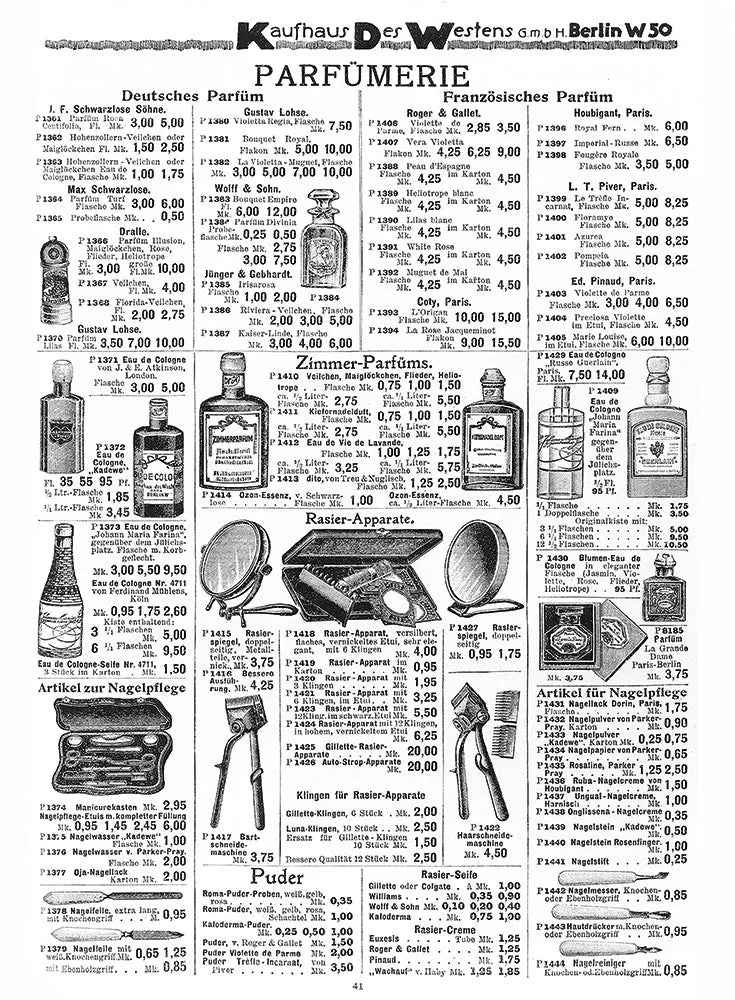
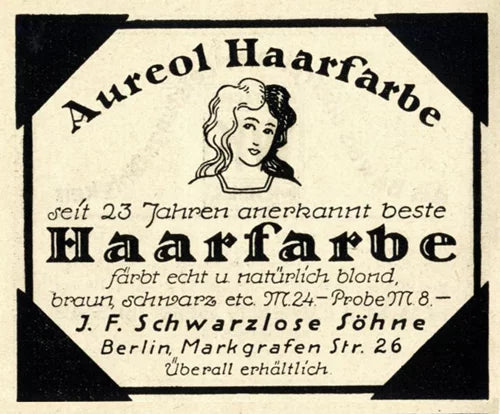
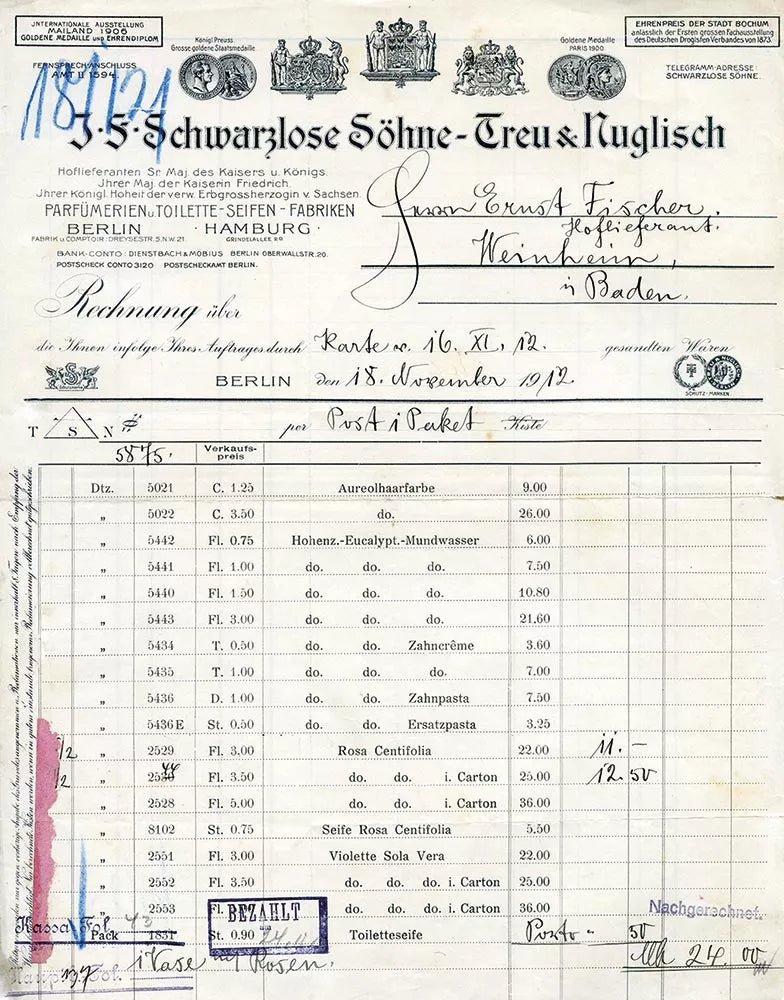
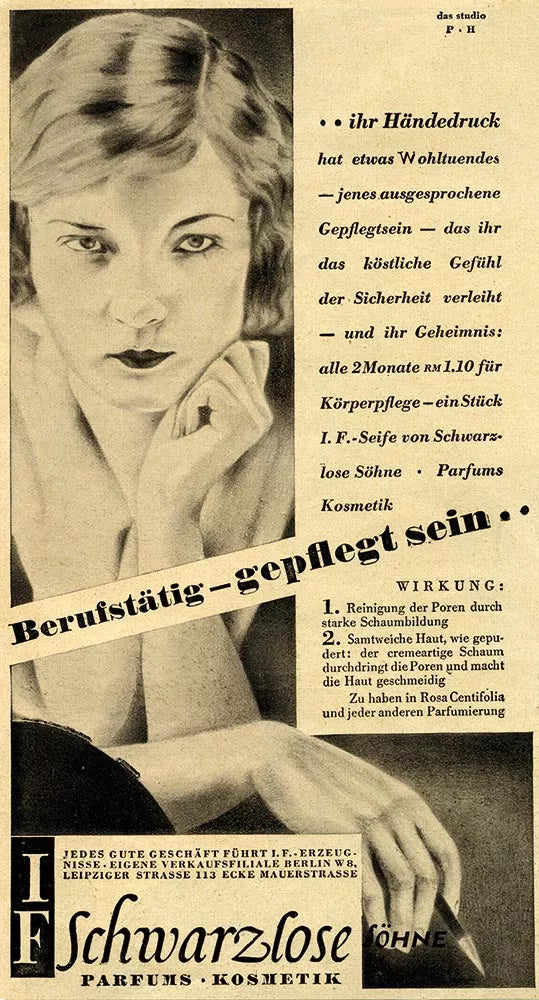
1875, the J.F. Schwarzlose Söhne brand gradually expanded its product range to include other cosmetic items in addition to fine perfumes.
1902
In 1902, Paul Köthner, together with Max and Franz Schwarzlose, successfully took over their competitor Treu & Nuglisch. The factory at Dreysestraße 5 became the new production site. After 1902, the business was expanded internationally by his son Ernst Köthner. Exports to the Chinese imperial court led to increased sales even during the First World War.
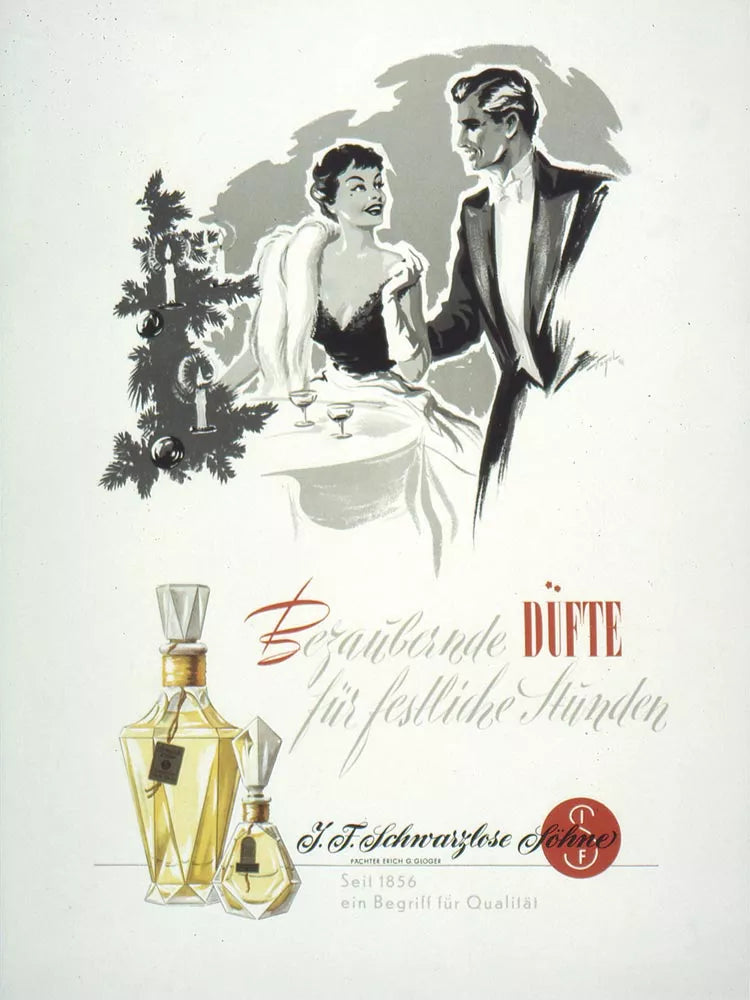
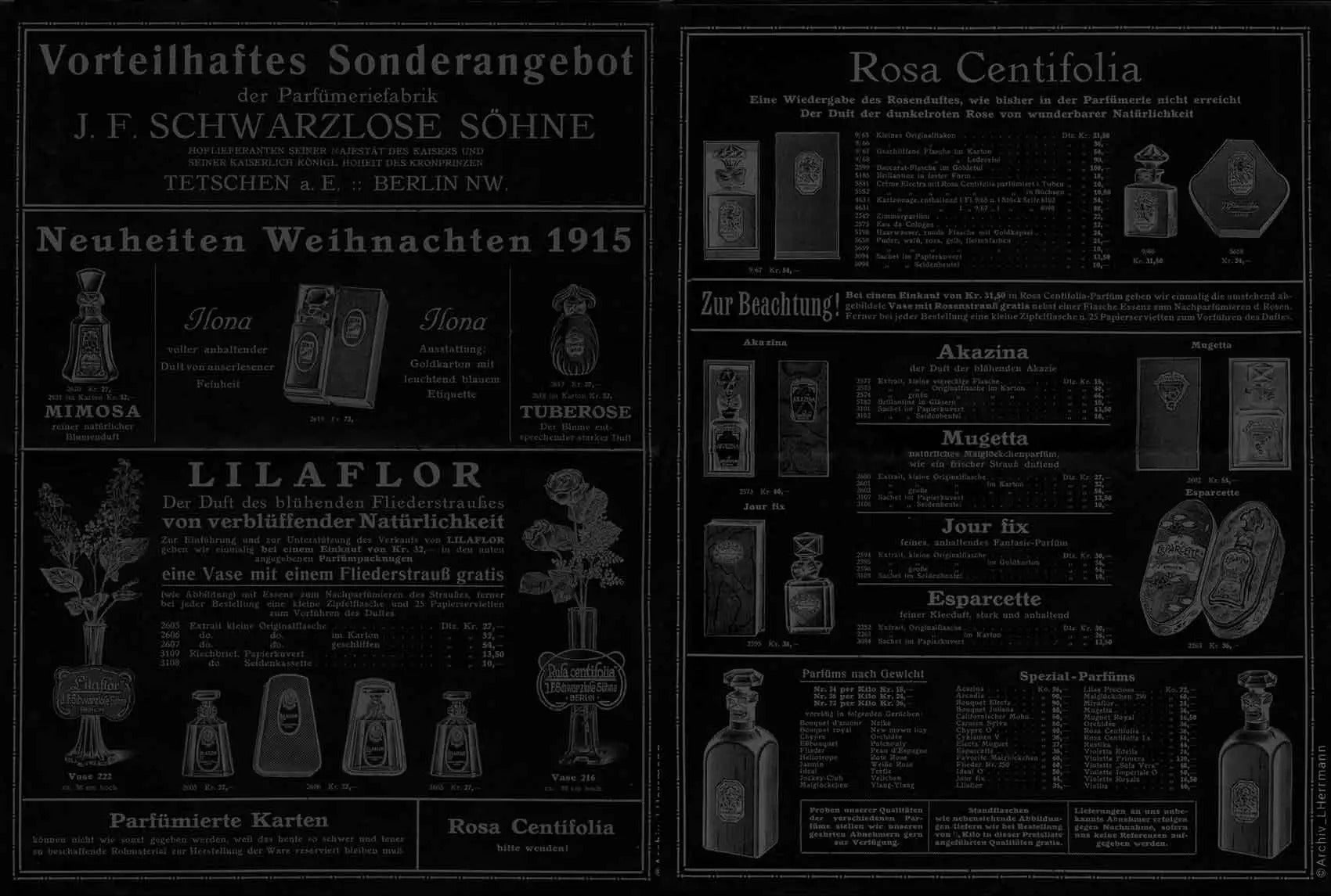
1917
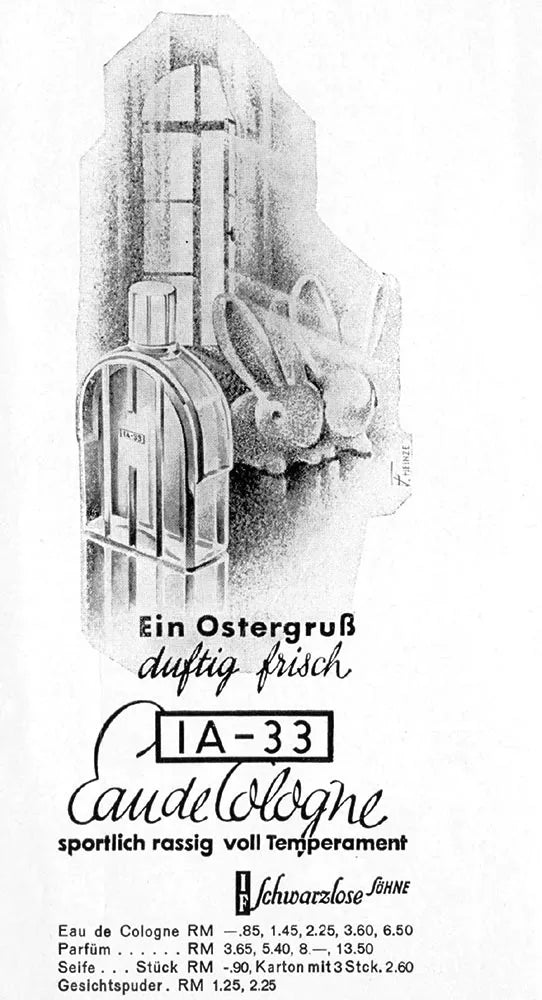
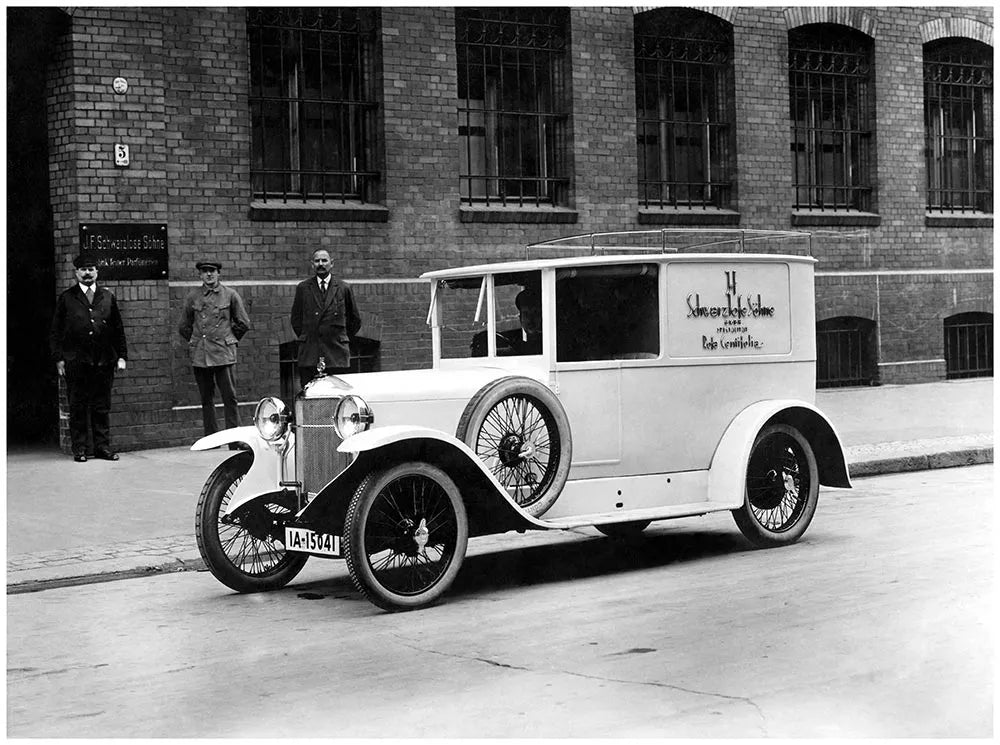
Company car in front of the factory in Moabit, 1917. The company logo with the lettering Rosa Centifolia can be seen on the delivery vehicle. According to tradition, the vehicle's paintwork was rose-colored for advertising purposes. On October 1, 1907, uniform license plates for the states of the German Empire came into effect. The territory of Prussia received the Roman numeral I and the administrative district of Berlin received the letter A. Within Berlin, numbers from 1 to 20 were assigned in 1920, including 3 for Wedding and 33 for the Moabit sub-district. J.F.SCHWARZLOSE SÖHNE used this license plate sequence for the production site as the name of the new fragrance creation IA-33. A modern fragrance for the sporty, car-enthusiastic lady.
1930
In 1930, Werner Köthner takes over the leadership. He succumbs to the reprisals of the Nazi regime in 1943. The factory and business are in ruins by the end of the war.
1951
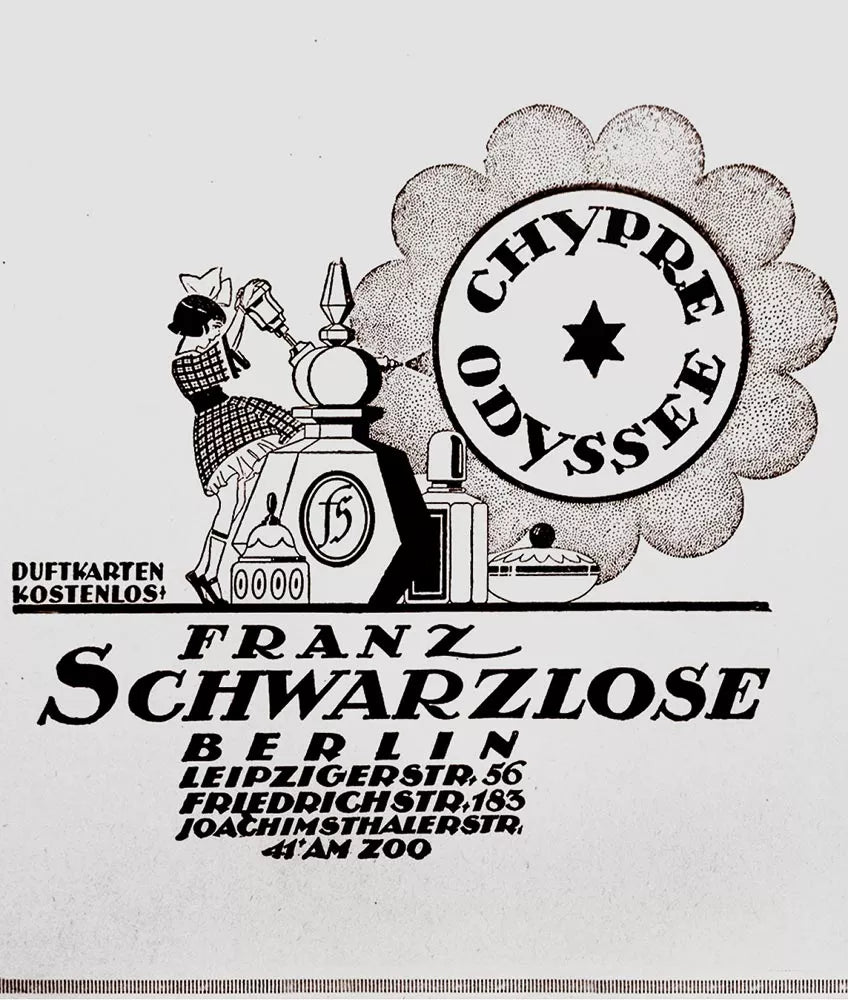
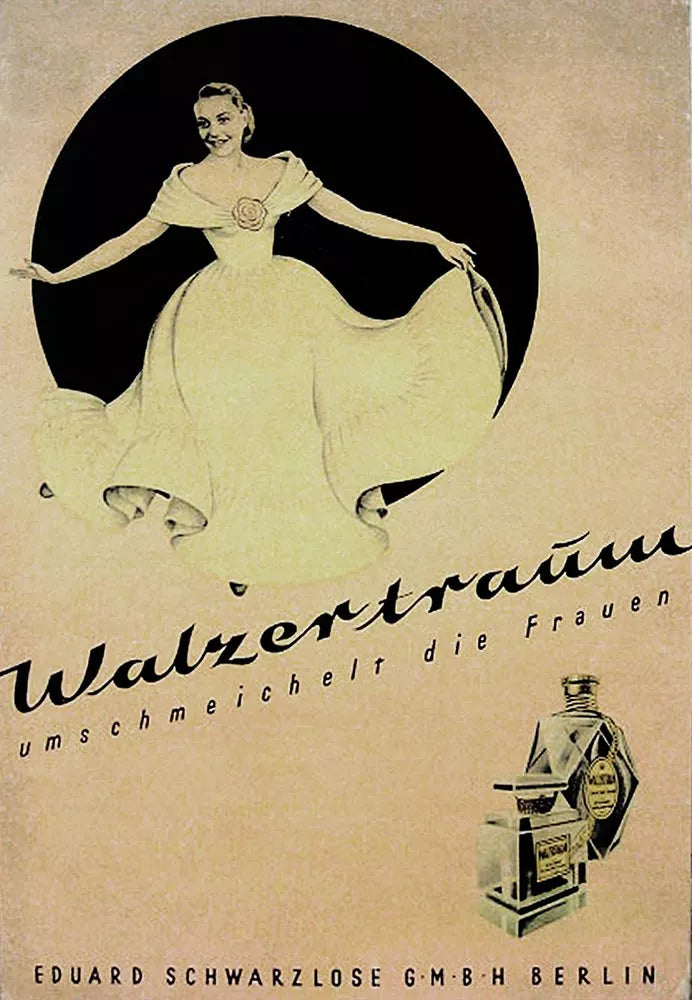
In 1951, the widow Anni Köthner rebuilt the factory in Berlin Moabit with funds from the Marshall Plan. In 1975, the Berlin Senate announced its intention to transform Moabit into a purely residential area, leading the owner to close the business. Franz Schwarzlose's company, due to inflation, was limited to trading in 1929 but continued under the leadership of his son Eduard. In 1965, his grandson Peter Schwarzlose sold the Max Schwarzlose company to Mouson.
2012 - Present
In 2012, the company, which had ceased operations in 1976, was revitalized and now once again holds a leading position in the perfumery industry.